Live NBA Season Futures: Repricing Ante-Post Bets in Real Time from the UK
 Available in US
Table of Contents
- The night I added to a championship ticket at 14/1 in the third quarter
- Why futures move during the regular season
- The two windows I wait for every season
- How to know when to top up versus when to fold
- Live alerts and the UK app advantage
- Hedging during the season versus hedging in the playoffs
- The data I update every Sunday
- Why live futures repositioning matters more than entry timing
- The portfolio mindset that underpins the whole system
The night I added to a championship ticket at 14/1 in the third quarter
December 2023. I was watching a Western Conference contender I had backed at 8/1 in October trail by 22 points in the third quarter of a regular-season game. My phone buzzed with a UK book’s price alert — the team’s championship futures price had drifted from 6/1 to 14/1 over the previous week as their record cooled. I added another £20 to my October position, taking advantage of the temporarily inflated price. They lost the game by 18. They went on to win the championship. The combined ticket — original £25 at 8/1 plus £20 top-up at 14/1 — returned £480.
That single moment reframed how I think about NBA futures. They are not “set and forget” bets placed in October and held to settlement. They are positions that can be added to, trimmed, hedged, and repriced as the regular season unfolds. The UK punter who treats futures as live, dynamic positions captures value windows that fixed-position bettors never see.
Why futures move during the regular season
Championship and conference winner prices update after every game played by every contender. A 10-game losing streak by a 6/1 favourite can drift the price to 12/1 within three weeks, then snap back to 7/1 with a 6-game winning run. The volatility within a single season can swing implied probability by 20 percentage points or more for the same team, and UK books are generally accurate in their repricing — the issue is that the casual market overshoots both directions.
The pattern repeats itself every season I have watched. Hot starts get priced too short; cold spells get priced too long; the average regular-season price is roughly correct over the full 82-game sample. The bettor who buys at the cold-spell extremes and trims at the hot-streak extremes captures the mean reversion, and the UK market structure tends to leave these extremes priced loosely enough that the trade is genuinely profitable across multiple seasons.
The two windows I wait for every season
Two specific in-season windows produce the bulk of my live futures repositioning:
The first is mid-November. By Thanksgiving, the early-season narratives have crystallised — which contender has started hot, which has stumbled, which surprise team is suddenly above its pre-season win-total projection. UK books reprice aggressively into this window, and the prices on stumbled contenders frequently move 50% longer than their October opening. That is when I revisit my October positions and consider topping up.
The second is the All-Star break. The break compresses the calendar mentally — bettors feel the playoff race accelerating — and the prices reflect that emotion. Hot teams in February get bought aggressively; cold teams get sold. The week before the break is often the steepest mispricing window of the season, and I have made some of my best in-season tickets at midnight on the Friday before the All-Star game.
How to know when to top up versus when to fold
Topping up a losing position is one of the riskiest things a futures bettor can do. The temptation to “lower the cost basis” by adding to a drifting ticket has cost me money in seasons past, and I have learnt to apply a strict filter before adding to any open position.
The filter has three questions:
- Has the underlying probability genuinely declined, or has the price drifted because of short-term noise?
- Is the team’s roster still intact, or has a key starter been lost to injury or trade?
- Are the team’s underlying advanced metrics — net rating, rebounding rate, shot quality — still consistent with the original thesis?
If all three answers favour the original position, I add. If any one of them has materially changed, I do not add — and depending on the magnitude of the change, I might trim or hedge instead.
The 14/1 top-up I described above met all three filters: the team’s net rating was unchanged, the roster was healthy, and the cold spell was driven by a tough schedule rather than performance decline. The price had drifted but the probability had not. That is the asymmetry the live futures market produces, and the discipline to act on it is what separates profitable repricing from emotional chasing.
Live alerts and the UK app advantage
UK betting apps have improved dramatically on price alerts. Most major operators now let me set custom alerts on individual selections — “notify me when this team’s championship price goes longer than 10/1” or “notify me if MVP price on this player shortens to 5/4”. Those alerts are the lifeblood of my live futures repositioning.
I run alerts on every open position in my portfolio. The phone buzzes when a price has crossed a threshold I care about. I check the underlying news, run the three-question filter, and act if appropriate. The whole decision-and-execution loop takes 5-10 minutes from buzz to ticket placed, and the speed advantage is meaningful because the casual market often takes 12-24 hours to digest the same news.
Average UK NBA viewership of 1.53 million per game during the season — and a January 2025 peak of 1.91 million — means more UK punters are tracking individual games than ever before. That increased engagement makes price-alert features genuinely competitive among operators, and the punter who configures them well has a structural edge.
Hedging during the season versus hedging in the playoffs
Live futures repositioning is not the same as hedging. Hedging is locking in profit when the original position has appreciated; repositioning is updating the active stance based on new information. The two require different mental frames and different execution.
If a championship ticket I placed at 12/1 in October has compressed to 5/2 by January, I do not hedge — I let it ride, because the underlying improvement has shifted the probability genuinely in my favour. If the same ticket compresses to 5/4 by April, I might hedge a portion to lock in profit, because the implied probability is now within striking distance of certainty and the variance of the remaining playoff series is no longer worth absorbing fully.
The threshold I use is 200% return on the original stake. If the cash-out value at the current price exceeds 200% of what I staked, I take a partial hedge. Below that, I hold. The same arithmetic underpins how I structure deliberate hedge bets across the postseason, and it is consistent enough across seasons that I no longer second-guess it.
The data I update every Sunday
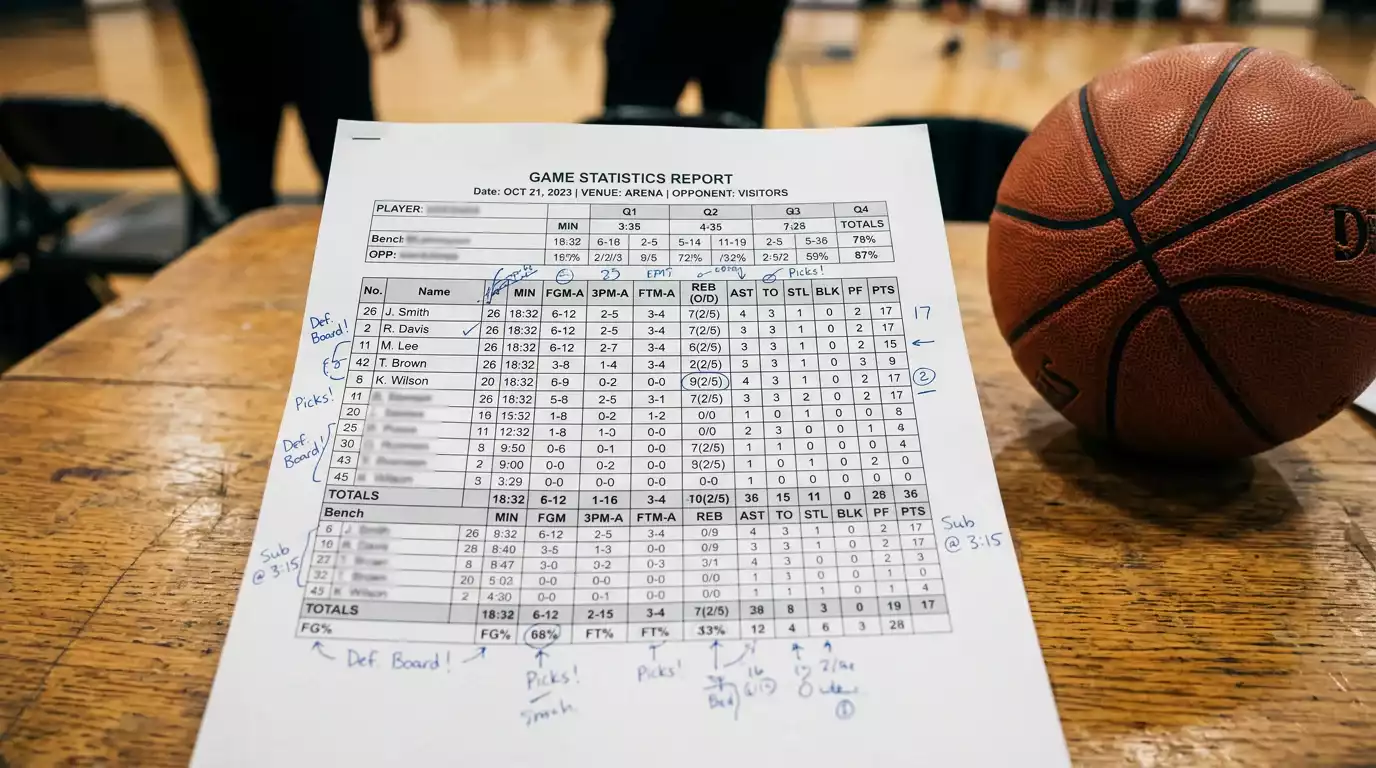
Every Sunday morning during the NBA season, I update a single spreadsheet that tracks every open futures position. The columns: original price, original stake, current implied probability, current modelled probability, gap, action. The “action” column is where I decide whether to add, trim, hedge, or hold for the coming week.
Most weeks, the action on most positions is “hold.” That is fine — discipline in not acting is often more valuable than discipline in acting. Across a typical season I make 8-12 in-season repositioning trades on positions opened in October, and the average return on those repositioning trades runs higher than the average return on the original positions themselves. The repositioning trades benefit from sharper information, narrower price windows, and the structural lag of UK books behind sharp money.
Why live futures repositioning matters more than entry timing
Most futures content focuses on when to place the original ticket. October vs December, pre-season vs post-trade-deadline. The truth is that entry timing matters less than what you do with the position after you place it. A mediocre October entry that is well-managed across the season often returns more than a brilliant October entry held passively to settlement.
“The key to betting NBA futures is spotting value before the market shifts” — and the market shifts continuously, every game, every week, every month. The bettor who watches those shifts and acts when the price diverges from the underlying probability captures more value across a full season than the bettor who places one bet in October and waits eight months for settlement. Live futures repositioning is the discipline that turns good entries into profitable seasons.
The portfolio mindset that underpins the whole system
Every futures position I hold is part of a portfolio. The portfolio has open exposure across multiple teams, multiple awards, multiple conferences, and multiple time horizons. Managing that portfolio in real time — through the regular season, into the playoffs, all the way to settlement — is the work that separates a profitable nine-year ledger from a one-season fluke. Set-and-forget futures betting works for the casual punter. The serious UK NBA bettor treats every open ticket as a live position, repriceable on Sunday mornings and during major news events, and that mindset is the most consistent contributor to long-term profit I have found in nine years of doing this.
Can I add to an NBA futures position during the regular season?
Yes. Most UK books keep championship, conference, and award futures markets open throughout the regular season, with prices updated after every game. Adding to an existing position at a longer price is a legitimate strategy when the underlying probability has not deteriorated.
When is the best time to reprice an open NBA futures position?
Mid-November and the week before the All-Star break tend to produce the steepest price extremes of the regular season. Major news events — significant injuries, trades, coaching changes — also create acute repricing windows that can be exploited within hours of the announcement.
Should I use price alerts on NBA futures markets?
Yes. Most major UK betting apps offer custom price alerts on individual futures selections. Setting alerts on every open position lets you respond to price moves quickly, often before the casual market has digested the underlying news, which is where most of the in-season value lives.
Prepared by the nba Futures Betting editorial staff.